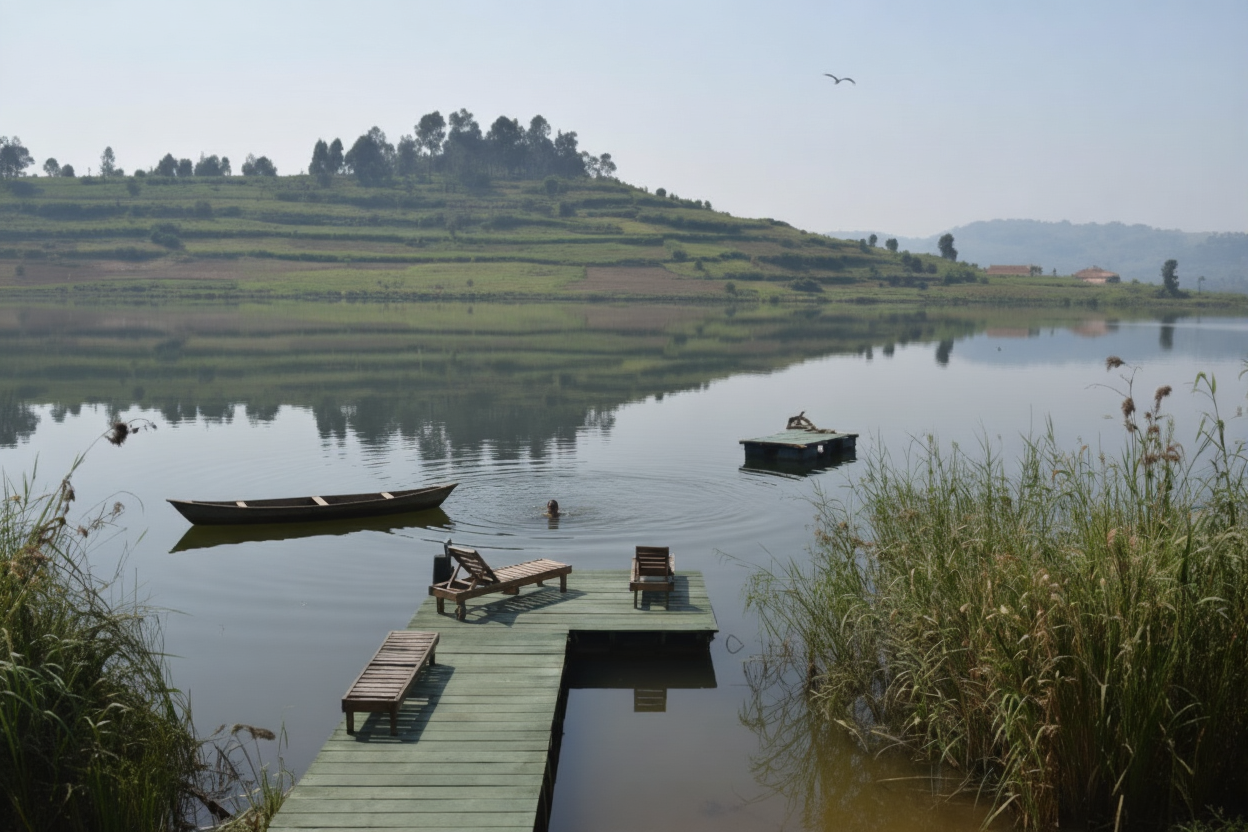

Solar Salt mining at Lake Katwe
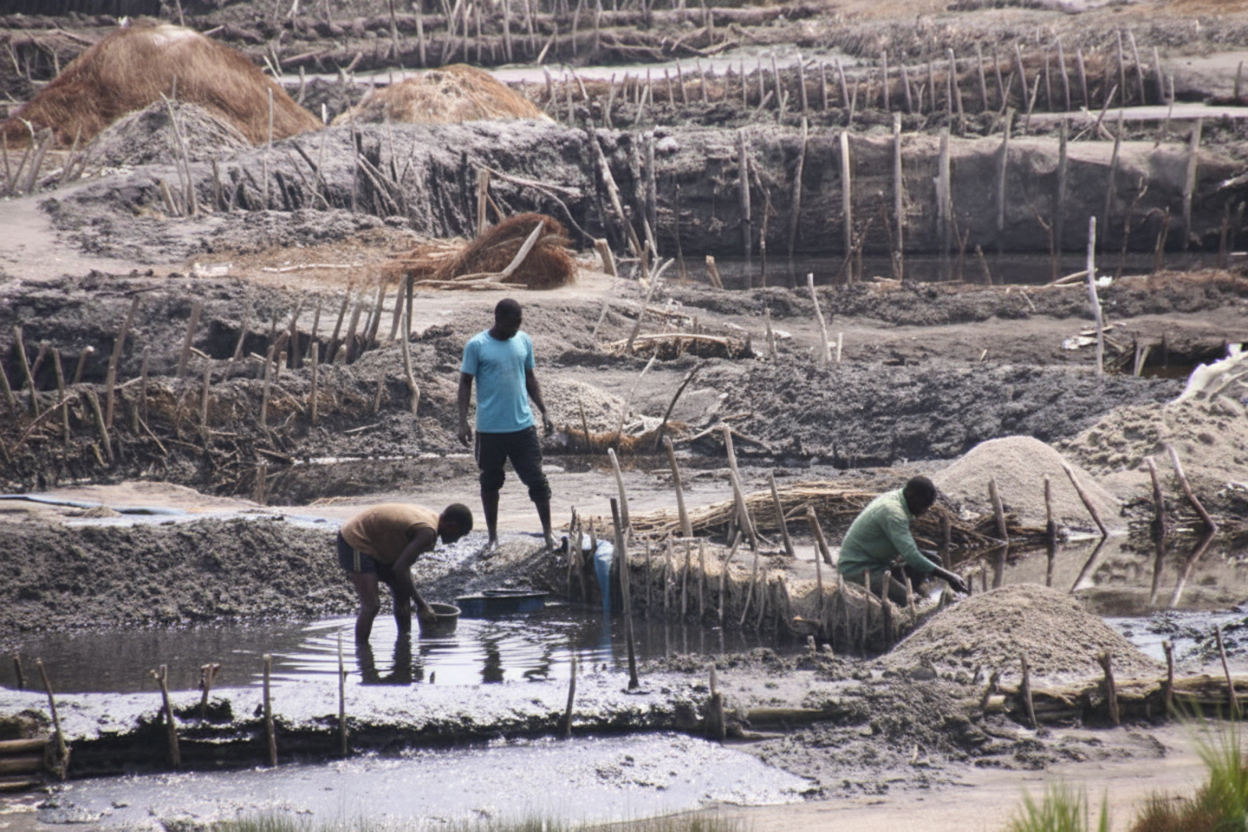
Lake Katwe in Western Uganda is a major centre for salt production. Its location near the popular Queen Elizabeth National Park creates a unique relationship between this traditional industry and the region’s tourism. The method used here is solar salt mining, which relies on nature. Workers move the lake’s salty water into wide, shallow ponds. The sun then evaporates the water, leaving behind salt crystals that are collected by hand. This process has supported the local community for a very long time.
The presence of famous tourist sites has a direct impact on the salt mines. Many visitors on safari in Queen Elizabeth National Park include a trip to Lake Katwe to see the mining activity. This has turned the lake into a significant cultural tourism site. Guided tours provide visitors with a stark contrast to wildlife viewing, showing them a community’s hard work and enterprise. The income from these tours offers an important financial boost for the miners and their families, diversifying their earnings beyond just selling salt.
The salt mining practice is deeply woven into the local culture. The knowledge of how to harvest different types of salt, from coarse animal salt to finer cooking salt, is passed down through generations. The way the community is organized around the salt ponds forms a key part of their social structure. For tourists, this is a chance to witness a living tradition, adding a rich layer of human story to their vacation. It shows how a global commodity is sourced in a traditional, communal way.
However, this industry also faces challenges for the future. The physical work is demanding, and long-term exposure to the salty water can be hard on the miners’ health. There are also questions about the environmental impact on the surrounding land and water. The path forward involves finding a balance. The community aims to preserve its vital salt mining heritage while promoting responsible tourism that benefits everyone. This ensures that Lake Katwe remains both a place of livelihood and a fascinating destination for years to come.

Derick Niwagaba
Travel Expert
Email: niwagsderick2@gmail.com