
Rolex: Uganda’s famous street-food wrap
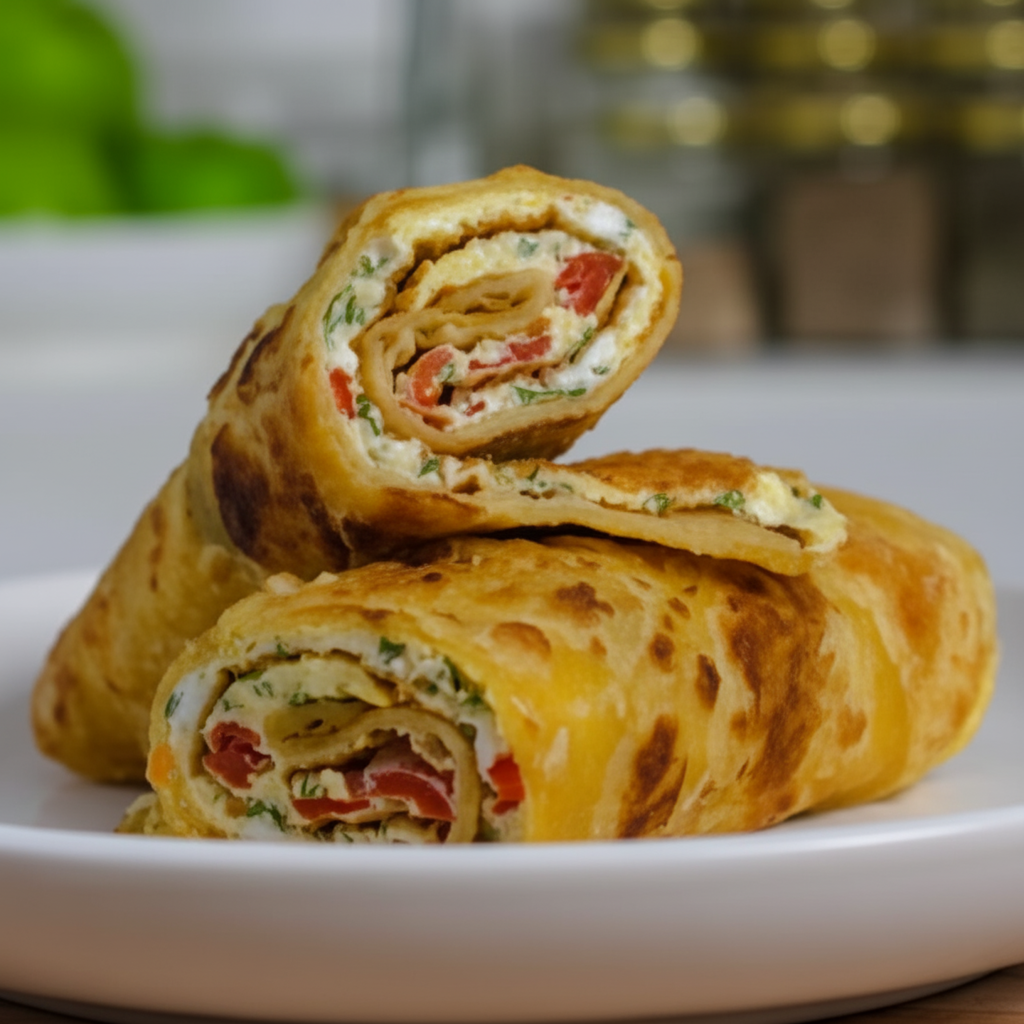
If you travel to Uganda, one of the first words you’ll hear on the street isn’t about a watch; it’s about a must-try meal. Welcome to the world of the Rolex, Uganda’s most famous and beloved street-food wrap. Forget fancy restaurants for a moment; the true taste of Uganda is found sizzling on roadside griddles, where this simple, satisfying dish is born.
So, what exactly is a Rolex? The name is a playful contraction of “rolled eggs.” At its heart, it is a warm, soft chapati (a thin, unleavened flatbread) wrapped around a freshly cooked omelette. The magic happens right before your eyes at countless street stalls. The vendor starts by rolling out a ball of dough and frying it on a hot plate until it’s golden and pliable. Right next to it, they crack eggs into a bowl, often whisking them with chopped onions, tomatoes, and sometimes cabbage or carrots. This egg mixture is poured onto the griddle, and the chapati is placed on top of the cooking eggs, letting them fuse together. Once the eggs are set, the entire thing is flipped, a sprinkle of salt and maybe a dash of chili are added, and then it’s skillfully rolled up into a neat, portable package. The result is a hearty, delicious, and incredibly affordable meal.
The beauty of the Rolex is its variety. You can order a “full Rolex,” which is packed with a double or triple helping of eggs, making it extra filling. A “mixed Rolex” includes additional fillings like slices of avocado, fresh cabbage, or even a local sausage. For a simpler version, there’s the “Kikomando,” which is just chapati and beans, but the classic egg Rolex reigns supreme. In recent times, creative vendors and cafes have added modern twists, incorporating ingredients like cheese, minced meat, or different sauces, but the original remains the favorite.
The Rolex is far more than just food; it’s a cultural icon. For university students, it’s the ultimate budget-friendly fuel between lectures. For workers rushing to their jobs in the morning, it’s the perfect grab-and-go breakfast. Bus parks are hubs of Rolex sellers, catering to travelers needing a quick bite before a journey. As night falls, the Rolex stall becomes a lifeline, serving party-goers and late-night workers a warm, comforting meal. It’s a great social equalizer, enjoyed by everyone, everywhere.
You can find Rolex being sold all over the country. From the bustling markets and busy intersections of Kampala to university areas, bus parks, and quiet neighborhood streets, the tell-tale griddle and stack of chapatis are never far away. While it’s a national dish, some regions are particularly famous for their versions. The capital, Kampala, is the undisputed Rolex epicenter, with Wakiso following closely. The eastern city of Jinja and the western hub of Mbarara are also known for their excellent and distinctive takes on the wrap.
The popularity of the Rolex has been powerfully boosted by the annual Rolex Festival in Kampala. This vibrant event celebrates everything about the dish, bringing together thousands of people to enjoy different variations, watch cooking competitions, and listen to music. It has successfully promoted the Rolex not just nationally, but to an international audience, putting Ugandan street food on the global map. Because of this growing recognition, you can now find gourmet versions packaged in some restaurants, but the authentic experience is still at a roadside stall.

Derick Niwagaba
Travel Expert
Tel: +256 703 111 211